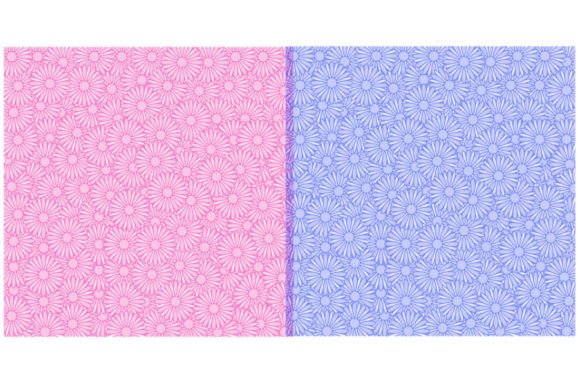
Nice Two Combine Brush: A Practical Guide to Digital Texture and Workflow Efficiency
In the evolving landscape of digital art and graphic design, the tools an artist chooses often dictate the fluidity of their creative process. Among the myriad of resources available, specialized brush sets have emerged as critical assets for professionals seeking efficiency without sacrificing quality. The Nice Two Combine Brush represents a focused approach to this need, offering a streamlined solution for artists who value precision and texture integration. Unlike expansive libraries that overwhelm users with thousands of redundant options, this tool set is designed with intentionality, focusing on the specific mechanics of combining textures and strokes in a cohesive manner.
For designers, illustrators, and hobbyists alike, understanding the utility of such a specialized tool requires looking beyond the surface level of marketing claims. It involves evaluating how the brush interacts with software, the quality of the output, and whether it fits into an existing workflow. This article explores the distinct characteristics of the Nice Two Combine Brush, compares it to broader market alternatives, and provides a framework for deciding if this specific resource aligns with your artistic goals.
Understanding the Core Functionality
The primary appeal of the Nice Two Combine Brush lies in its name: combination. In digital painting, "combining" often refers to the seamless integration of different visual elements—such as blending hard edges with soft gradients, or merging photographic textures with hand-painted strokes. Many standard brushes struggle with this transition, leaving visible seams or requiring extensive manual blending using separate smudge tools. This brush aims to mitigate that friction by embedding complex blending algorithms directly into the stroke dynamics.
When you download the package, typically distributed as a ZIP file containing .brushes or .swatches files, you are greeted with a singular, highly optimized tool. The inclusion of just one brush might initially seem limiting compared to bundles offering hundreds of variations. However, this minimalism is a strategic design choice. It reduces decision fatigue, allowing the artist to master one versatile instrument rather than skimming the surface of many mediocre ones. The brush is engineered to respond dynamically to pressure sensitivity and tilt, ensuring that light touches produce subtle textural hints while heavier applications lay down dense, rich pigment.
Technical Specifications and Compatibility
Before integrating any new asset into your toolkit, compatibility is a paramount concern. The Nice Two Combine Brush is generally formatted to work with industry-standard software such as Adobe Photoshop, Procreate, or Clip Studio Paint, depending on the specific file types provided in the ZIP archive. Users should verify that their software version supports the specific brush engine requirements. For instance, newer versions of Photoshop offer advanced brush engines that can interpret complex spacing and scattering data more accurately than older iterations.
The file structure is straightforward. Upon extraction, users will find the core brush file and potentially a swatch library for quick color testing. This simplicity ensures that installation is hassle-free, a significant advantage for professionals who manage large libraries of assets and cannot afford time-consuming setup processes. The lightweight nature of the download also means it does not burden system resources, a notable benefit for artists working on tablets or laptops with limited storage capacity.
Comparative Analysis: Specialized Tools vs. General Libraries
To truly evaluate the Nice Two Combine Brush, it is essential to compare it against the two dominant categories of digital brush resources: massive generalist libraries and free community-made brushes. Each category serves a different purpose, and understanding these distinctions helps in making an informed purchasing or adoption decision.
- Massive Generalist Libraries: These bundles often contain 500 to 1,000+ brushes covering every conceivable style, from watercolor to oil to ink. While they offer variety, they often suffer from inconsistency. Many brushes in these packs are rarely used, leading to cluttered interfaces and slowed workflow. In contrast, the Nice Two Combine Brush offers a curated experience. It sacrifices breadth for depth, providing a single tool that performs its specific function exceptionally well.
- Free Community Brushes: The internet is replete with free brush sets created by enthusiasts. While cost-effective, these often lack rigorous testing. They may have inconsistent opacity curves, poor edge definition, or compatibility issues across different software updates. Professional-grade tools like the Nice Two Combine Brush undergo quality assurance to ensure that the stroke behavior is predictable and reliable, which is crucial for client work where deadlines are tight.
- Custom-Built Brushes: Some advanced artists prefer to build their own brushes from scratch. This offers maximum control but requires a deep technical understanding of brush engines and significant time investment. For those who want professional results without the development overhead, a pre-configured, high-quality brush like this provides an immediate solution.
The tradeoff here is clear. If you require a vast array of stylistic options for diverse projects, a larger library might be necessary. However, if your work involves consistent textural blending, concept art, or matte painting, a specialized tool often yields higher quality results with less effort.
Best-Fit Scenarios and Limitations
No tool is universally perfect. Identifying when the Nice Two Combine Brush is the right choice—and when it is not—is key to maximizing its value.
Ideal Use Cases
This brush excels in environments where texture and realism are prioritized. Concept artists creating environment designs will find it invaluable for quickly blocking in rocky surfaces, foliage, or atmospheric effects. The "combine" aspect allows for rapid layering of details, enabling the artist to move from a rough sketch to a refined render more efficiently. Additionally, digital painters who focus on semi-realistic styles benefit from the brush’s ability to mimic natural media transitions, reducing the "digital" look that often plagues amateur work.
Furthermore, educators and students may find this tool useful for learning fundamental blending techniques. Because the brush handles much of the heavy lifting regarding texture integration, learners can focus on composition and color theory without getting bogged down in technical manual blending struggles.
Potential Limitations
Conversely, this brush may not be suitable for artists who prefer clean, vector-style lines or flat design aesthetics. If your workflow relies heavily on crisp, hard-edged graphics for UI design or logo creation, a textured combine brush may introduce unwanted noise. Similarly, artists who enjoy the tactile challenge of building textures from basic round brushes might find the pre-configured nature of this tool restrictive. It is a solution for efficiency, not necessarily for those who view the manual construction of every pixel as part of the artistic joy.
Making an Informed Decision
Choosing the right digital tools is a subjective process influenced by individual style, software preferences, and project requirements. When evaluating the Nice Two Combine Brush, consider the following decision factors:
- Workflow Bottlenecks: Do you currently spend excessive time manually blending textures? If so, this tool addresses that specific pain point.
- Software Ecosystem: Ensure the provided file formats (
.brushesor.swatches) are fully compatible with your primary application. Check for user reviews or demos that show the brush in action within your specific software version. - Artistic Style: Analyze your recent portfolio. Does it lean towards textured, painterly styles? If yes, this brush aligns with your aesthetic. If your work is primarily linear or geometric, the utility may be limited.
- Value Proposition: Consider the cost relative to the time saved. Even a modestly priced brush can pay for itself if it shaves hours off your rendering process over the course of a few projects.
Ultimately, the Nice Two Combine Brush is not a magic wand that replaces skill, but rather a sophisticated instrument that amplifies intent. It represents a shift towards curated, high-quality digital assets that prioritize functionality over volume. For the discerning artist who values precision and efficiency, it offers a compelling addition to the toolkit. However, like any tool, its effectiveness depends on the user’s ability to integrate it seamlessly into their unique creative process. By weighing the strengths against the limitations and comparing it to your current resources, you can determine whether this specialized brush is the right investment for your artistic journey.
As the digital art landscape continues to mature, the trend towards specialized, high-performance tools is likely to grow. Resources like the Nice Two Combine Brush exemplify this shift, offering artists the ability to refine their craft with tools that are as thoughtful and deliberate as the art they help create. Whether you are upgrading your existing library or starting fresh, taking the time to understand the specific mechanics and benefits of such tools ensures that your technology serves your creativity, rather than dictating it.