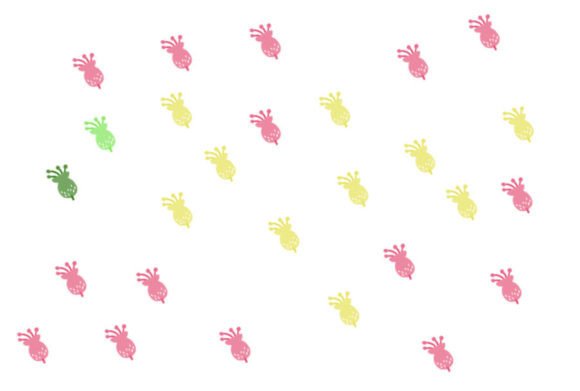
Brush 63: A Practical Guide to Enhancing Your Digital Workflow
In the expansive universe of digital art tools, it is easy to get lost in the sheer volume of options available. From complex texture packs to intricate pattern libraries, the market is saturated with resources that promise to revolutionize your creative process. Yet, sometimes the most impactful additions to your toolkit are the simplest. This is where Brush 63 comes into play. It is not just another file in a folder; it is a specific, curated tool designed to solve particular artistic challenges with elegance and efficiency. Whether you are a seasoned illustrator, a graphic designer, or a hobbyist exploring digital mediums, understanding the utility of this single brush can significantly streamline your workflow.
Understanding the Core Utility of Brush 63
At its heart, Brush 63 is a specialized digital instrument. Unlike generic round brushes that serve as the bread and butter of basic sketching, Brush 63 is engineered for nuance. It likely possesses unique characteristics—such as specific pressure sensitivity, texture integration, or edge variability—that make it indispensable for certain tasks. The beauty of a tool like this lies in its specificity. It does not try to do everything; instead, it excels at one or two things, allowing you to achieve results that would otherwise require multiple layers of manual adjustment.
When you download the ZIP file containing this asset, you are receiving a streamlined package. Inside, you will find either a .brushes file or a .swatches file, depending on your preferred software ecosystem. The inclusion of just one brush might seem minimal, but this focused approach ensures that you are not cluttering your library with redundant tools. It is a precision instrument, ready to be imported and immediately put to work.
Real-World Applications Across Industries
The versatility of Brush 63 extends beyond traditional digital painting. Its application varies significantly depending on the industry and the specific goals of the user. Let us explore how different professionals can leverage this tool in their daily routines.
Concept Art and Character Design
For concept artists, speed and clarity are paramount. When designing characters or environments, you often need to establish form quickly without getting bogged down in excessive detail. Brush 63 can serve as an excellent tool for blocking in shapes or adding subtle textural details that suggest material properties—such as the roughness of stone or the softness of fabric. By using this brush for mid-tone transitions, artists can maintain a loose, energetic feel in their sketches, which is often lost when over-rendering with standard hard-edge brushes.
Graphic Design and Branding
In the realm of graphic design, authenticity is a trending aesthetic. Brands are increasingly moving away from sterile, vector-only visuals toward designs that incorporate organic, hand-crafted elements. Brush 63 can be instrumental in creating custom logos, social media graphics, or packaging designs that feature handwritten accents or textured backgrounds. Its unique stroke quality can add a human touch to otherwise rigid layouts, helping brands connect with audiences on a more emotional level.
Digital Photography and Retouching
Photographers and retouchers often overlook the power of custom brushes, focusing instead on filters and adjustment layers. However, Brush 63 can be a game-changer for local adjustments. Whether you are dodging and burning to enhance facial features or adding atmospheric effects like fog or light leaks, this brush can provide the control needed for seamless blending. Its ability to interact with opacity and flow settings allows for gradual, non-destructive edits that preserve the integrity of the original image.
Who Benefits Most from This Tool?
While Brush 63 is accessible to anyone with compatible software, certain groups will find it particularly beneficial.
- Beginners: For those new to digital art, having a reliable, pre-configured brush reduces the learning curve. Instead of spending hours tweaking settings to achieve a desired effect, beginners can focus on fundamental skills like composition and color theory, trusting that Brush 63 will deliver consistent results.
- Professionals on Deadlines: Time is money in creative industries. A tool that speeds up repetitive tasks or simplifies complex textures allows professionals to meet tight deadlines without compromising quality. Brush 63 acts as a shortcut to high-quality finishes.
- Style Seekers: Artists looking to develop a distinct visual identity often rely on signature tools. Incorporating Brush 63 into your regular workflow can help create a cohesive look across your portfolio, making your work instantly recognizable.
Practical Considerations Before Implementation
Before integrating Brush 63 into your primary workflow, there are several factors to consider to ensure you get the most out of it.
Software Compatibility: Ensure that your digital art software supports the file format provided. Most modern applications like Adobe Photoshop, Procreate, or Clip Studio Paint handle .brushes and .swatches files seamlessly, but it is always wise to check version requirements. A mismatch in versions can sometimes lead to unexpected behavior or missing features.
Hardware Sensitivity: The performance of any digital brush is heavily influenced by your hardware. If you are using a basic mouse rather than a pressure-sensitive tablet, you may not fully experience the dynamic range of Brush 63. Investing in a good quality stylus and tablet can unlock the full potential of the brush’s pressure and tilt sensitivity features.
Learning Curve: Even simple tools require practice. Spend time experimenting with Brush 63 in a sandbox environment. Test it with different opacity levels, flow settings, and blend modes. Understanding how it reacts to various inputs will help you predict its behavior in actual projects, reducing frustration during critical phases of creation.
Strengths and Potential Limitations
Like any tool, Brush 63 has its strengths and limitations. Recognizing these will help you use it more effectively.
Strengths:
- Efficiency: It saves time by providing ready-made textures or effects.
- Consistency: It offers uniform results, which is crucial for maintaining style coherence.
- Simplicity: With only one brush to manage, it keeps your interface clean and uncluttered.
Limitations:
- Specificity: It may not be suitable for all types of artwork. If your project requires highly realistic rendering or complex geometric precision, Brush 63 might not be the best fit.
- Dependency: Relying too heavily on a single brush can limit your artistic growth. It is important to continue developing fundamental skills and exploring other tools to remain versatile.
Maximizing Value from a Single Asset
The inclusion of just one brush in the ZIP file might initially seem underwhelming compared to massive packs containing hundreds of assets. However, this minimalist approach encourages deeper engagement with the tool. Instead of skimming through dozens of unused brushes, you are prompted to master one. This depth of understanding often leads to more creative and innovative uses than superficial familiarity with a large library.
Consider combining Brush 63 with other techniques. Use it as a base layer for textures, then overlay it with color adjustments. Or, use it to mask out areas in photo compositing. The key is to view it not as a standalone solution, but as a component in a larger creative toolkit. By integrating it thoughtfully, you can enhance the quality and efficiency of your work across various projects.
In conclusion, Brush 63 represents the value of specialization in digital art tools. It offers a focused, efficient solution for specific creative needs, benefiting users across various industries and skill levels. By understanding its capabilities, considering practical implementation factors, and recognizing its strengths and limitations, you can harness its potential to elevate your digital workflow. Whether you are refining a character design, adding texture to a brand logo, or retouching a photograph, this single brush can make a significant difference in your final output.