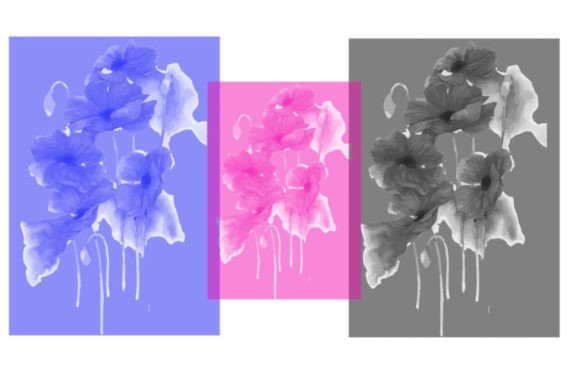
Three Flower Brush: A Focused Digital Asset for Floral Illustration
In the expansive ecosystem of digital art tools, specialized brushes often serve as critical components for achieving specific aesthetic goals. The Three Flower Brush represents a niche but potentially valuable resource for digital painters, illustrators, and graphic designers seeking efficient ways to incorporate botanical elements into their work. Unlike comprehensive brush packs that offer hundreds of generic strokes, this asset focuses on a singular, curated output: a distinct floral stamp or shape designed to streamline the creation of flower motifs.
Understanding the utility of such a specialized tool requires looking beyond the immediate visual appeal and evaluating its integration into a broader workflow. This article examines the characteristics of the Three Flower Brush, the practical implications of its included file formats, and the scenarios where it offers genuine value versus situations where alternative approaches might be more appropriate.
Understanding the Asset and Its Components
The core offering of the Three Flower Brush is simplicity. As indicated in the product details, the download consists of a ZIP file containing either .brushes or .swatches files, housing exactly one brush. For users unfamiliar with digital asset distribution, this format is standard for compatibility across major creative software platforms. The .brushes extension is typically associated with Adobe Photoshop, while .swatches may refer to color presets or shape libraries depending on the specific software context, though in this instance, it likely denotes a brush preset saved in a compatible format for applications like Procreate, Clip Studio Paint, or similar raster-based painting programs.
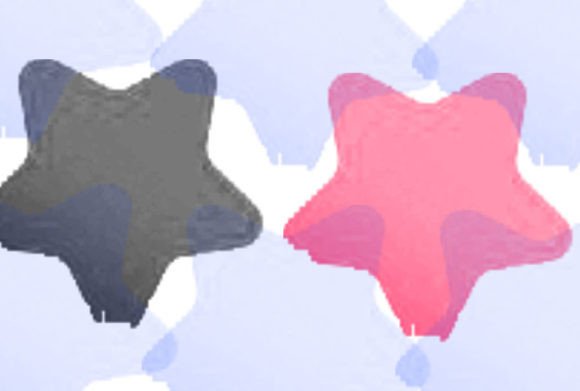
The "Three Flower" designation suggests that the brush tip shape comprises a cluster of three floral elements. This could manifest as a single stamp that places three flowers simultaneously, or a dynamic brush that scatters three-petal arrangements along a stroke path. The distinction is crucial for potential users. A stamp-style brush is ideal for static composition, allowing artists to place pre-designed clusters with precision. A scattering brush, conversely, is better suited for creating backgrounds, borders, or textured fields of flowers where variation in density and orientation is desired.
Practical Benefits and Workflow Efficiency
The primary advantage of utilizing a dedicated tool like the Three Flower Brush lies in time efficiency. Hand-painting individual flowers, especially those with complex petal structures, can be labor-intensive. Even for skilled illustrators, repeating the same motif multiple times can lead to fatigue and inconsistency. By leveraging a pre-made brush tip, artists can maintain visual consistency across their piece while significantly reducing the manual effort required for repetitive elements.
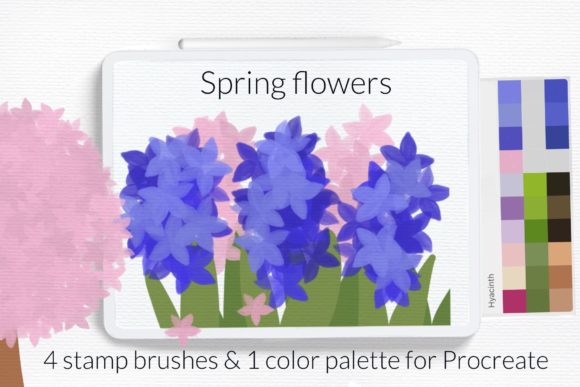
Furthermore, specialized brushes can help artists overcome creative blocks. When struggling with composition or seeking inspiration for pattern design, having a ready-made element like a three-flower cluster can serve as a starting point. Artists can layer, rotate, and recolor these stamps to create intricate designs that might have taken hours to construct from scratch. This makes the brush particularly appealing for surface pattern designers, wedding invitation creators, and textile artists who require seamless, repeating floral motifs.
Another consideration is the learning curve. For beginners in digital art, mastering the anatomy of flowers and the nuances of light and shadow on petals can be daunting. A high-quality brush preset provides a shortcut, allowing novices to produce professional-looking results while they continue to develop their fundamental drawing skills. However, it is essential to view this as a supplementary tool rather than a replacement for foundational knowledge.
Tradeoffs and Limitations
While the convenience of the Three Flower Brush is evident, there are inherent tradeoffs to consider. The most significant limitation is the lack of variety within the pack itself. With only one brush included, users are restricted to a single floral shape. If a project requires diverse botanical species or varied flower sizes, this single asset will not suffice on its own. Artists may find themselves needing to purchase additional brushes or revert to manual drawing to introduce necessary diversity into their compositions.
Additionally, reliance on stamp brushes can sometimes result in artwork that appears repetitive or mechanical if not handled with care. Without proper manipulation—such as varying opacity, size, rotation, and color—the repeated use of the same three-flower cluster can create obvious patterns that detract from the organic feel of the illustration. Successful integration requires post-processing skills, including masking, blending modes, and manual detailing, to break up the uniformity of the brush strokes.
File compatibility is another practical consideration. While .brushes and .swatches are common formats, they are not universally interchangeable across all software. Users must verify that their specific version of their chosen digital art application supports the provided file types. For instance, older versions of Photoshop may not support newer brush engine features, and mobile apps like Procreate have their own specific import procedures. Failure to check compatibility beforehand can lead to frustration and unusable downloads.
Ideal Use Cases
The Three Flower Brush is a strong fit for specific projects where speed and consistency are prioritized over unique, hand-drawn variability. It is particularly well-suited for:
- Digital Scrapbooking and Stationery Design: Creating decorative borders, corners, and embellishments for digital planners, greeting cards, and invitations.
- Surface Pattern Design: Generating repeat patterns for fabrics, wallpapers, or wrapping paper where uniform elements are often required.
- Background Textures: Adding subtle floral textures to portraits or landscape paintings without distracting from the main subject.
- Rapid Prototyping: Quickly mocking up floral arrangements for client approvals before committing to detailed, custom illustrations.
In these contexts, the brush serves as a productivity multiplier, allowing creators to focus on layout, color theory, and overall composition rather than getting bogged down in the minutiae of individual petal rendering.
When to Consider Alternatives
Despite its utility, the Three Flower Brush may not be the best choice for every artist or project. Those seeking to create highly realistic, botanically accurate illustrations should likely rely on reference photos and manual painting techniques. Pre-made brushes often lack the specific anatomical details required for scientific or hyper-realistic art.
Artists who prioritize unique, one-of-a-kind stylistic expressions may also find limited value in a single-purpose brush. If your artistic brand is built on distinctive, hand-crafted line work, using stamp brushes might dilute your style’s authenticity. In such cases, investing time in developing custom brushes from your own drawings or practicing freehand techniques would be more aligned with long-term artistic goals.
Moreover, if you require a wide variety of floral types, purchasing a comprehensive botanical brush pack or subscribing to a resource library might offer better value. While the Three Flower Brush offers focus, it lacks breadth. For large-scale projects requiring diverse ecosystems of plants, a more extensive toolkit would be necessary to avoid visual monotony.
Making an Informed Decision
Evaluating the Three Flower Brush ultimately depends on your current workflow needs and project requirements. Ask yourself whether you frequently encounter bottlenecks when painting repetitive floral elements. If the answer is yes, and if the specific shape of the three-flower cluster aligns with your aesthetic, this asset can provide a meaningful efficiency boost. However, if you rarely paint flowers or require high levels of customization and variety, the utility of a single-brush pack may be limited.
Before downloading, ensure your software supports the included file formats and consider how you will integrate the brush into your existing layering and blending workflows. Remember that digital brushes are tools, not solutions; their effectiveness is determined by the skill and creativity of the user. By understanding both the capabilities and limitations of the Three Flower Brush, you can make a reasoned decision about whether it deserves a place in your digital toolkit.