Mastering Texture with Brush 22
In the expansive world of digital illustration and graphic design, the difference between a good piece and a great one often lies in the subtleties. It is not just about color theory or composition; it is about texture, flow, and the organic feel that mimics traditional media. This is where specialized tools like Brush 22 come into play. For designers, illustrators, and content creators who rely on software such as Adobe Photoshop, Procreate, or Clip Studio Paint, having a curated set of reliable brushes is akin to a carpenter having a sharp chisel. It is a fundamental extension of your creative intent.
Brush 22 is not merely another generic tool in a sprawling library of thousands. It represents a specific utility designed to solve common textural challenges. Whether you are working on concept art, refining a marketing asset, or adding depth to a digital painting, understanding the unique characteristics of this brush can significantly streamline your workflow. By integrating Brush 22 into your daily toolkit, you gain access to a level of consistency and quality that standard default brushes often fail to provide.
The Anatomy of a Versatile Tool
To truly appreciate the value of Brush 22, one must look beyond its name and examine its functional architecture. Digital brushes are defined by their spacing, jitter, scattering, and pressure sensitivity dynamics. Brush 22 has been engineered to balance these elements, offering a natural resistance and flow that feels intuitive under the stylus. It does not fight against your hand; rather, it responds to the nuance of your touch.
When you download the package, you are receiving a highly optimized file format—either .brushes or .swatches, depending on your preferred software ecosystem. This ensures compatibility across major platforms without the need for complex conversion processes. The simplicity of the installation process means you can go from download to creation in a matter of minutes. Inside the ZIP file, you will find exactly one brush: Brush 22. This singular focus is intentional. It avoids the clutter of bloated packs filled with redundant variations, providing instead a single, polished instrument ready for immediate use.
Key Characteristics and Strengths
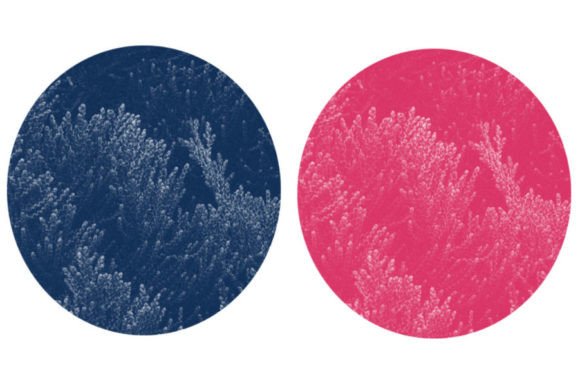
- Natural Texture Simulation: Brush 22 excels at replicating the irregularities found in traditional media, such as charcoal, dry ink, or rough paper grain.
- Pressure Sensitivity: The brush dynamics are tuned to respond accurately to pen pressure, allowing for seamless transitions between thick, bold strokes and fine, delicate lines.
- Consistent Opacity Flow: Unlike some brushes that break up unpredictably, Brush 22 maintains a coherent stroke path, making it ideal for both sketching and final rendering.
- Lightweight File Structure: The included file is optimized for performance, ensuring that it does not slow down your software even during intensive multi-layer projects.
Practical Applications Across Industries
The utility of Brush 22 extends far beyond the realm of fine art. In today’s digital-first economy, visual communication is paramount for professionals across various sectors. Here is how different users can leverage this tool to enhance their output.
For Graphic Designers and Brand Strategists
In branding, authenticity is a currency. Corporate logos and marketing materials that feel too sterile or digitally perfect can sometimes fail to connect with audiences on an emotional level. Brush 22 allows designers to introduce organic textures into vector-based designs. Imagine adding a subtle, hand-drawn underline to a headline in a social media campaign or incorporating a textured background into a business card layout. These small details, achieved effortlessly with Brush 22, can elevate a brand’s perceived warmth and approachability.
For Educators and Content Creators
Educators creating digital worksheets, presentations, or online course materials often struggle to make their content engaging. Standard fonts and clip art can feel impersonal. By using Brush 22 to annotate diagrams, highlight key concepts, or create custom icons, teachers can add a human touch to their digital resources. This "handwritten" aesthetic helps retain student attention and makes complex information feel more accessible and less intimidating.
For Freelancers and Entrepreneurs
Time is money for freelancers. Efficiency tools are not just about speed; they are about reducing decision fatigue. When you have a trusted brush like Brush 22 in your arsenal, you spend less time tweaking settings and more time executing ideas. Whether you are mocking up a website UI with hand-drawn elements or creating unique assets for an Etsy shop, having a reliable texture brush reduces the friction between idea and execution.
Enhancing User Experience and Engagement
In web design and app development, micro-interactions and visual cues play a crucial role in user experience (UX). While code drives functionality, visuals drive emotion. Incorporating elements created with Brush 22 can soften the rigid grid structures of modern web interfaces. For instance, using this brush to create custom dividers, buttons, or illustrative icons can make a digital product feel more crafted and less automated. This attention to detail signals quality to the end-user, potentially increasing engagement and trust in the platform.
Moreover, in the context of social media marketing, standing out in a feed dominated by polished, high-gloss imagery can be challenging. Content that features authentic, textured elements often stops the scroll. Brush 22 enables marketers to create thumb-stopping visuals that feel personal and curated, fostering a stronger connection with their audience.
Implementation and Best Practices
Integrating Brush 22 into your workflow requires a shift in mindset from "adding effects" to "building foundation." Here are some practical considerations for getting the most out of this tool:
- Start with Sketching: Use Brush 22 in the early stages of your project to establish tone and texture. Its natural feel makes it excellent for roughing out ideas before committing to clean lines.
- Layer Blending Modes: Experiment with blending modes such as "Multiply" or "Overlay" when using Brush 22 on separate layers. This allows you to add texture without obscuring underlying colors or details.
- Opacity Control: Do not rely solely on pressure sensitivity. Manually adjusting the opacity slider can help you build up depth gradually, creating a more three-dimensional effect.
- Combine with Other Tools: Brush 22 works best when used in conjunction with other elements. Pair it with clean vector shapes or photographic backgrounds to create contrast between the organic and the structured.
It is also important to consider the resolution of your canvas. Since Brush 22 relies on texture details, working at a higher resolution (300 DPI or above) will ensure that the grain and nuances remain crisp and visible, especially if the final output is intended for print.
Why Simplicity Matters in Digital Toolkits
In an era where digital asset marketplaces offer bundles with hundreds of brushes, there is a paradox of choice. Many creators find themselves spending more time browsing and testing new tools than actually creating. The inclusion of a single, high-quality brush like Brush 22 in this set is a testament to the value of curation. It forces the user to master one tool rather than skim the surface of many. This depth of familiarity leads to greater creative freedom, as the technical aspects of the brush become second nature.
Furthermore, the lightweight nature of the ZIP file means it is easy to store, share, and back up. For teams collaborating remotely, having a standardized set of core brushes ensures consistency across different artists’ work. If multiple designers use Brush 22 for textural elements, the final composite will have a cohesive visual language.
Final Thoughts on Creative Efficiency
Ultimately, the goal of any digital tool is to disappear, leaving only the creator’s vision visible. Brush 22 achieves this by offering a reliable, predictable, and aesthetically pleasing stroke that adapts to your style rather than imposing its own. Whether you are a seasoned professional looking to refine your texture game or a hobbyist eager to add a new dimension to your digital art, this brush offers a straightforward path to enhanced creativity.
By focusing on quality over quantity, this simple inclusion provides a significant return on investment in terms of time saved and quality gained. As you continue to explore its capabilities, you will likely find that Brush 22 becomes not just a tool you use, but a staple of your creative identity. Embrace the texture, trust the flow, and let your work speak with a more authentic voice.